







 0
0
 0
0
Read Time:3 Minute, 8 Second
Choosing the right pipe material is one of the most important decisions in any industrial piping system. Across UK industries such as water treatment, manufacturing, and chemical processing, the material used directly affects system durability, efficiency, and long term maintenance requirements.
Selecting the wrong material can lead to corrosion, leaks, reduced flow performance, and costly downtime, making it essential to understand how material choice impacts overall system performance.
Why Pipe Material Selection Matters
Every piping system operates under specific conditions, including pressure, temperature, and exposure to different substances. The material must be capable of handling these conditions without degrading over time.
Correct material selection helps to:
- Extend system lifespan
- Maintain consistent flow performance
- Reduce maintenance and repair costs
- Prevent leaks and system failures
- Ensure safe and compliant operation
A well matched material ensures reliable performance throughout the system’s lifecycle.
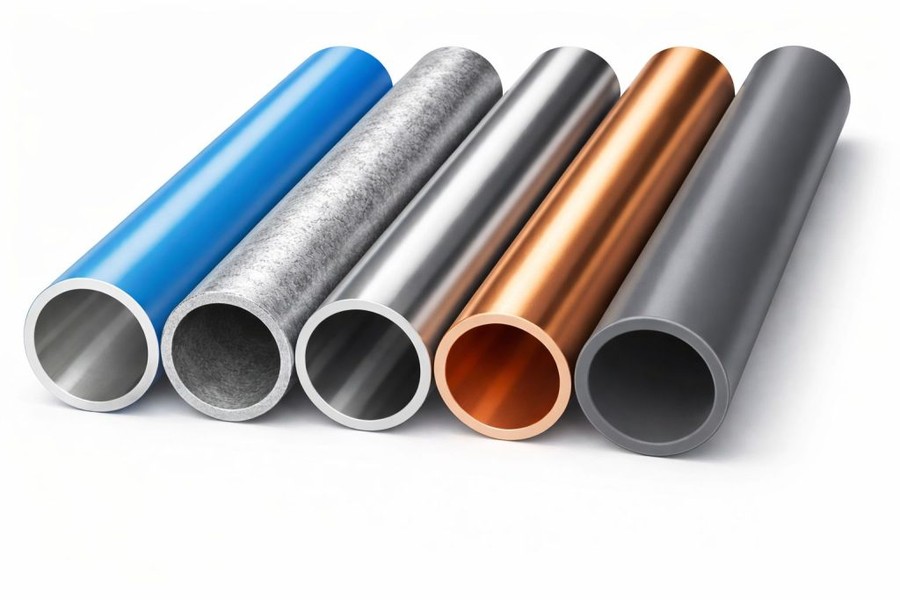
Common Pipe Materials in Industrial Systems
Different materials are suited to different applications depending on their properties:
PVC Pipe (Polyvinyl Chloride)
Widely used for water and chemical systems due to its corrosion resistance, lightweight nature, and cost-effectiveness. It is particularly suitable for low to medium pressure applications.
Stainless Steel
Offers excellent strength and resistance to corrosion, making it ideal for high pressure, high temperature, and hygienic environments such as food processing.
Carbon Steel
Known for its durability and strength, often used in heavy duty industrial applications, though it may require protective coatings in corrosive environments.
Polypropylene pipe and Other Plastics
Used for specialised applications where chemical resistance is critical, particularly in chemical handling systems.
Impact on System Performance
The choice of material directly affects how efficiently a piping system operates.
Flow Efficiency
Smooth internal surfaces, such as those found in plastic pipes, reduce friction and improve flow rates. Rough or corroded surfaces can restrict flow over time.
Pressure Handling
Stronger materials like steel can handle higher pressures, while lighter materials are better suited to lower-pressure systems.
Temperature Resistance
Materials must withstand operating temperatures without warping, cracking, or weakening.
Corrosion Resistance
Corrosion can reduce pipe strength and contaminate fluids, making resistant materials essential in certain environments.
Longevity and Maintenance Considerations
Material choice also determines how much maintenance a system will require over time.
- Corrosion resistant materials reduce the need for frequent repairs
- Durable materials extend the overall lifespan of the system
- Low maintenance materials reduce operational costs
- Proper selection helps avoid unexpected downtime
Investing in the right material from the start can significantly reduce long term expenses.
Matching Materials to Applications
Each industry has specific requirements when it comes to pipe materials:
- Water treatment: corrosion-resistant plastics or stainless steel
- Chemical processing: materials with high chemical resistance
- Food and beverage: hygienic, non-reactive materials
- Construction and infrastructure: durable, high-strength options
- Manufacturing: materials suited to pressure and temperature demands
Understanding the application ensures the most appropriate material is selected.
Frequently Asked Questions
What is the most durable pipe material?
Stainless steel is often considered one of the most durable due to its strength and corrosion resistance.
Are plastic pipes suitable for industrial use?
Yes. Many plastic materials are widely used in industrial systems, particularly for corrosion resistance and cost efficiency.
How does corrosion affect pipe performance?
Corrosion can weaken pipes, reduce flow efficiency, and lead to leaks or contamination.
Can pipe materials be mixed in one system?
Yes, but compatibility between materials must be carefully considered to avoid issues such as joint failure or corrosion.
Final Thoughts
Pipe material choice plays a crucial role in determining the performance, durability, and efficiency of reliable piping systems. By carefully selecting materials that match the operating conditions and application requirements, UK businesses can reduce maintenance costs, improve reliability, and extend system lifespan.
Making the right decision at the design stage ensures long term success and dependable system performance.


Happy
0 %

Sad
0 %

Excited
0 %

Sleepy
0 %

Angry
0 %

Surprise
0 %