







 0
0
 0
0
Read Time:3 Minute, 32 Second
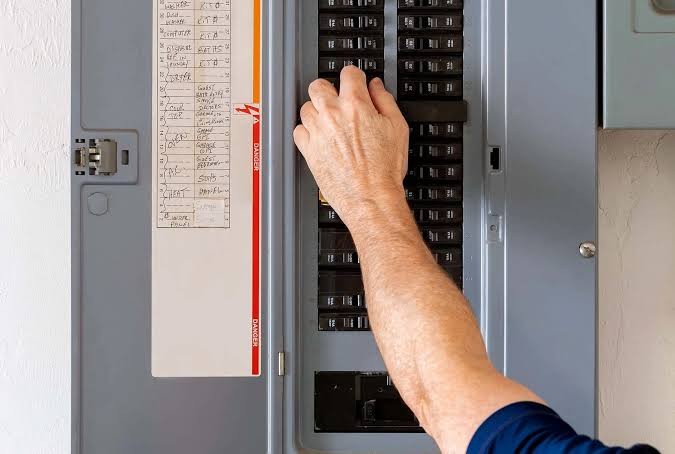
Open the door of almost any home’s electrical panel and you will find a neat row of breakers, each one protecting a different part of the house. That panel is called a load center, and it is the hub of most residential and light-commercial electrical systems. Knowing how one works makes it easier to talk to an electrician, plan an upgrade, or compare options.
A load center panel takes incoming utility power and divides it into individual branch circuits, with each circuit protected by its own breaker. If something goes wrong on one circuit, its breaker trips and the rest of the building stays powered. Here is what to understand before choosing one.
What a Load Center Does
Power enters the building through the service connection and flows to the load center’s main bus bars. From there, breakers feed lighting, outlets, appliances, and other loads.
- Distributes power: Splits one incoming supply into many circuits.
- Protects circuits: Breakers open when current is too high or when a fault occurs.
- Provides a disconnect: Many panels include a main breaker that shuts off everything at once.
- Organizes the system: A labeled panel makes troubleshooting and maintenance easier.
Main Parts
- Enclosure: The metal box that houses everything and protects against contact.
- Bus bars: Conductive bars that carry power to each breaker position.
- Main breaker: The master switch for the whole panel, on many models.
- Branch breakers: One for each circuit, sized to match the wiring and load.
- Neutral and ground bars: Provide return and safety paths.
Choosing the Right Size
Load centers are sold by amperage rating and by the number of spaces available for breakers.
- Amperage: Common residential ratings range from smaller services to higher ones for large homes. Your electrician can calculate the right rating for your loads.
- Spaces: Choose a panel with room to grow. Extra spaces make future circuits much easier to add.
- Main breaker vs. main lug: Main breaker panels include their own disconnect, while main lug panels rely on a separate one.
Features Worth Considering
Modern panels offer features that can save time and support new technology.
- Plug-on neutral designs: Neutral connections plug in alongside the breaker, which simplifies installation.
- Convertible mains and flexible feed options: Top or bottom feed can fit different installations.
- Solar-ready and smart panel options: Some panels are designed to work with solar, battery storage, and monitoring.
- Generator sub-panels: Help connect backup power for chosen circuits.
Indoor, Outdoor, and Combination Devices
Where the panel will be installed matters. Indoor load centers are common, but some situations call for outdoor-rated equipment, and local codes can influence what is allowed. Combination service entrance devices combine several functions in one unit for outdoor or multi-metering applications. Check local requirements before deciding.
Planning for the Future
Homes are using more electricity than they used to. Electric vehicle chargers, heat pumps, induction cooking, and solar systems all add load. When choosing a panel:
- Count today’s circuits and add spares.
- Think about upcoming additions like EV charging or battery storage.
- Ask about smart monitoring if you want visibility into energy use.
- Confirm the service size can support planned changes.
Safety First
Electrical panels carry dangerous voltage even when the main breaker is off, because the service connection can remain energized. Panel work should always be done by a licensed electrician who follows local code and permit requirements. The National Electrical Code sets the safety standards that most installations must follow.
Signs It May Be Time to Upgrade
- Frequent tripped breakers when using normal appliances
- No open spaces for new circuits
- Burning smells, warm spots, or discolored parts at the panel
- An older panel that is hard to find replacement breakers for
- Plans for major new loads such as EV chargers or home additions
Questions to Ask Your Electrician
- What rating and number of spaces do you recommend?
- Is the panel compatible with solar and storage?
- Does it include surge protection options?
- What permits and inspections are required?
- How long will the work take?
A Small Box With a Big Job
A load center is easy to ignore until something goes wrong. Taking time to choose the right one gives you safer protection today and flexibility for whatever your home needs tomorrow.


Happy
0 %

Sad
0 %

Excited
0 %

Sleepy
0 %

Angry
0 %

Surprise
0 %